
 EN
EN
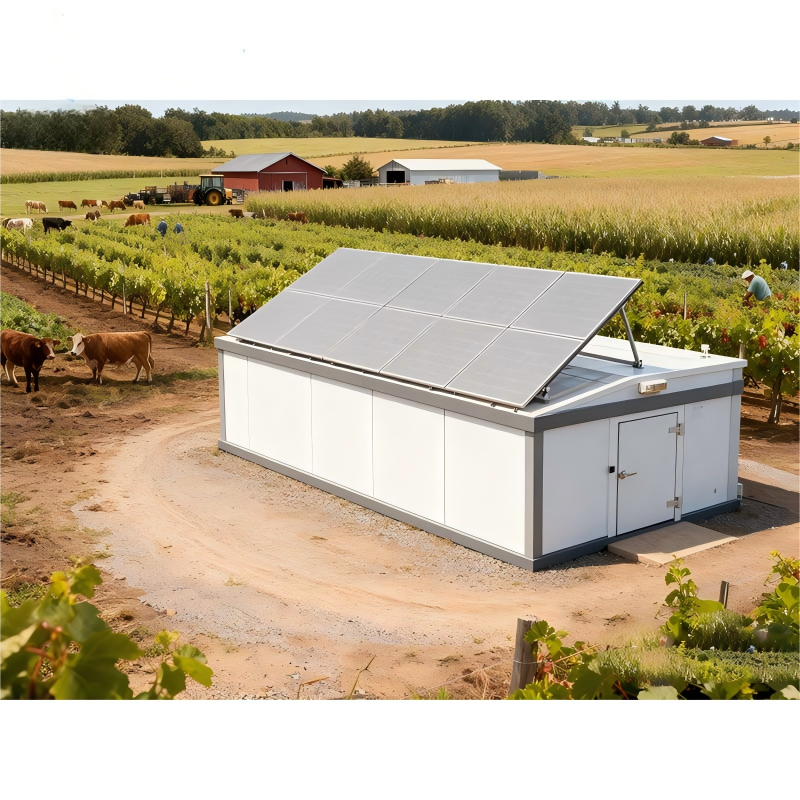
Understanding the Energy Demands of Cold Storage Facilities
Refrigeration Energy Intensity and 24/7 Operational Demands
Cold storage facilities consume most of their electricity through refrigeration systems, which typically account for around 70% of all power used because these systems run constantly without breaks. Regular warehouses don't have this problem since they don't need to keep things at exact temperatures day and night like cold storage does for food products and medicines that spoil easily. The energy demand is staggering too, reaching approximately 60 kilowatt hours per square foot each year. That's roughly four to five times what normal commercial buildings use. Compressors just keep running nonstop along with regular defrosting cycles, creating an almost steady baseline of energy consumption that doesn't really change much no matter what the outside weather conditions happen to be.
Energy Volatility and Financial Risk in Cold Storage Operations
Relying on the power grid puts operators at real financial risk. Small jumps in electricity prices can lead to hundreds of thousands in extra costs each year. Most businesses spend anywhere from 15 to 30 percent of their operating budget on energy alone, but they have absolutely no say over when or how much they'll be charged. Refrigeration makes things worse too. A simple 10% rise in utility rates often ends up increasing overall operating costs by around 7 to 9% for medium sized operations. These unpredictable swings make it nearly impossible to plan profits accurately and create serious problems with contracts throughout cold chain logistics where temperatures must stay within strict limits.
Technical Feasibility of Solar-Powered Cold Storage Systems
Roof Space Utilization and Solar Integration Feasibility
Cold storage facilities generally have these big open rooftops that are just begging for solar panels. Take a warehouse around 10,000 square feet for example - it can usually fit about a 150 kW solar array on top. According to data from the U.S. Energy Information Administration back in 2023, this kind of setup can cut down refrigeration energy needs by somewhere between 25% and 40%. Most structural evaluations show that regular industrial roofs can handle the weight of solar panels without needing extra support structures. When installing these arrays, positioning them east to west tends to make better use of available roof space. This approach saves money because there's no need to buy additional land, plus it turns what would otherwise be an unused asset into something productive and valuable.
Energy Efficiency of Solar PV in Cold Storage Applications
When solar panels power refrigeration compressors directly, they typically hit around 75 to 85 percent efficiency. That's actually better than regular grid electricity which loses about 15 to 20 percent along the way from power plants to homes and businesses because of all those transmission lines and conversions needed. The newer smart inverters work hand in hand with refrigeration systems too, making sure that solar energy gets used right when cooling needs are highest. For places where the sun shines most of the day, this setup makes a lot of sense since it cuts out all those middlemen in the power grid. Local generation means no waiting for electricity to travel long distances, so everything runs smoother and cleaner.
Solar-Plus-Storage for Energy Resilience and Outage Protection
When solar panels get paired with battery storage, businesses stay operational even when the power grid goes down, which is really important for keeping things like food products from spoiling. Take a typical mid sized warehouse for example, something around 500 kWh worth of batteries would keep operations running through most nights or those days when clouds block sunlight completely. Some facilities also install thermal storage solutions that freeze cooling agents during times when solar production is at its highest, then use them later when needed. Combining these technologies means companies don't need their old diesel generators so much anymore. The savings are impressive too, many report cutting fuel expenses nearly in half. And best part? Temperatures inside storage areas stay below 40 degrees Fahrenheit even during extended power cuts, protecting valuable inventory.
Overcoming the Solar-Cold Storage Mismatch: Addressing the Industry Paradox
Why High Load Factor Does Not Guarantee High Solar Match
Cold storage warehouses run nonstop all day every day, needing consistent temperatures around the clock. This constant demand sounds great for solar power at first glance. But here's the catch: solar panels produce most electricity right around noon when the sun is strongest, then stop working completely once night falls. About 7 out of 10 units generated come from those peak sunlight hours between roughly 10 AM and 4 PM. What happens after dark? Facilities still need backup from traditional grids, which means they face unpredictable costs and potential service interruptions during evening hours. Even if a warehouse runs flat out all day long, it might only manage to cover about a third to half of its actual energy needs through solar alone.
Strategies to Align Solar Generation with Cold Storage Load Profiles
Three proven strategies bridge this gap:
- Battery storage integration: Stores excess daytime solar for nighttime use, raising solar utilization to 60–80%
- Load shifting: Pre-cooling during peak solar hours reduces refrigeration demand after sunset
- Hybrid systems: Supplement solar with grid power during low-generation periods
When combined with the thermal mass of stored goods–and enhanced by phase-change materials–these approaches transform solar cold storage from theoretical to operationally robust. Facilities avoid an average $740k in outage-related losses (Ponemon Institute, 2023) while reducing peak-demand charges and improving grid interaction.
Financial and Regulatory Advantages of Commercial Solar for Cold Storage
Cost Savings and ROI of Solar Installations in Cold Storage
Putting solar panels on cold storage facilities cuts down those huge electricity bills pretty dramatically. The on site power costs around 10 cents per kilowatt hour or less, while businesses typically pay more than 13 cents across the country according to the U.S. Energy Information Administration from last year. Think of it like having energy rent control for your business operations, protecting against all those unpredictable fluctuations in grid prices. Add some battery storage to the mix and companies can actually reduce those costly demand charges when electricity needs spike. Most installations start paying for themselves within five to eight years just from saving money on energy costs, and over time they end up cutting overall operating expenses by over forty percent compared to regular power sources. These days' solar panels last well beyond twenty five years with minimal upkeep required, so investing in them makes sense both financially and strategically for any facility looking at long term savings.
Regulatory Incentives (e.g., Inflation Reduction Act) for Solar Adoption
Cold storage facilities are seeing major changes in how solar makes financial sense thanks to federal policies. The Inflation Reduction Act keeps the Investment Tax Credit at 30 percent all the way through 2032. Projects that meet certain requirements around local manufacturing or support for energy communities can actually get an extra 10 to 20 percent off their costs. There's also this thing called MACRS depreciation that lets businesses recover about 85 percent of their investment costs in just six years. And don't forget about those state level rebates plus Renewable Energy Certificates which add even more value. When everything gets added together, these various incentives can cut down what companies spend on solar installations by more than half. For anyone running cold storage operations today, going solar isn't just something nice to have anymore it's becoming almost necessary if they want to stay competitive financially.
Real-World Performance: Solar Cold Storage Case Studies
Case Study: 1.2 MW Rooftop Solar + Thermal Storage at Midwest Produce Hub
A large produce distribution warehouse in the Midwest installed a 1.2 megawatt solar panel system on its roof along with thermal storage technology to handle refrigeration needs around the clock. The setup runs compressors when there's sunlight and stores cold energy as ice and chilled water for use at night. When the power grid went down for six hours recently, the system kept everything at safe temperatures and saved roughly $740,000 worth of produce from spoiling according to a Ponemon Institute report from last year. The facility matched solar power production with cooling demands during the day and relied on stored cold energy after dark. This approach cut energy costs by about 35% each year and knocked out 920 tons of carbon dioxide emissions annually. Thermal storage really helps connect the dots between solar power that comes and goes with the weather and the constant need for refrigeration in food storage facilities.
FAQ
What is the main energy consumption challenge for cold storage facilities?
The primary challenge is that refrigeration systems in cold storage facilities account for about 70% of their electricity consumption, as they need to run constantly to maintain exact temperatures for perishable goods.
How can solar panels benefit cold storage facilities?
Solar panels can significantly reduce energy costs by providing on-site power, which is cheaper than grid electricity. They can also be paired with battery storage to provide power even when the sun isn't shining.
What are the financial benefits of installing solar panels on cold storage facilities?
Installing solar panels can reduce electricity bills, with typical returns on investment within five to eight years. Various incentives and rebates can further reduce the installation costs, making solar installations financially advantageous.
How does the Inflation Reduction Act impact solar adoption for cold storage?
The Act provides a 30% Investment Tax Credit for solar installations through 2032, with potential additional discounts for projects meeting certain criteria, significantly lowering the financial barrier for solar adoption in cold storage.
Table of Contents
- Understanding the Energy Demands of Cold Storage Facilities
- Technical Feasibility of Solar-Powered Cold Storage Systems
- Overcoming the Solar-Cold Storage Mismatch: Addressing the Industry Paradox
- Financial and Regulatory Advantages of Commercial Solar for Cold Storage
- Real-World Performance: Solar Cold Storage Case Studies
- FAQ