
 EN
EN
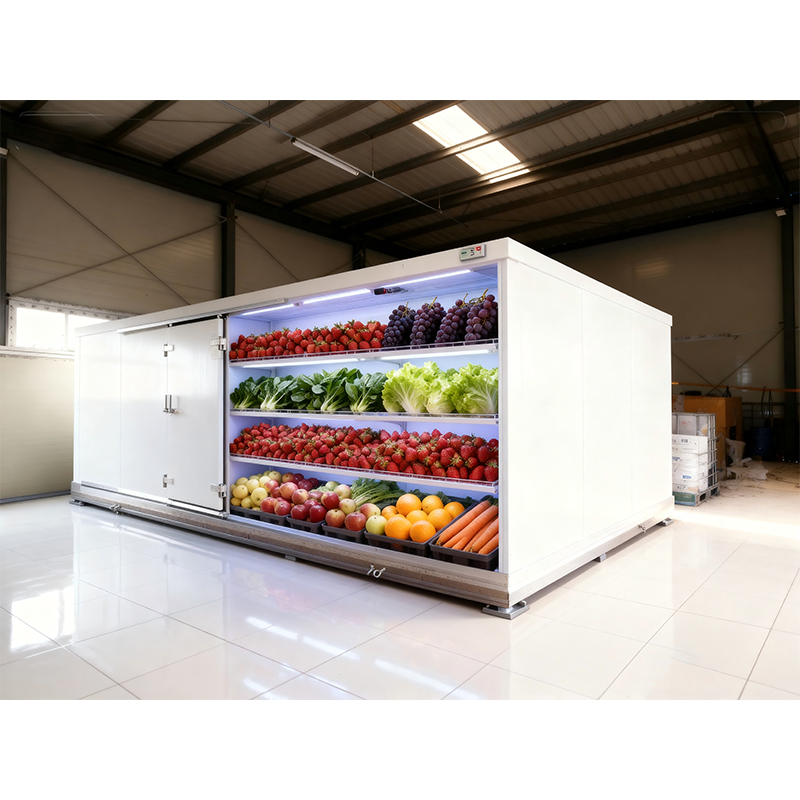
Understanding Post-Harvest Losses and Shelf-Life Extension
Around 30% of all fruits produced worldwide end up lost after harvest each year because of things like changing temperatures, bacteria growth, and poor handling practices according to research from Springer in 2024. This isn't just about wasted food either it really hits farmers where it hurts most their bottom line and makes farming less efficient overall. Cold storage facilities work wonders for preserving produce since they slow down those chemical reactions inside fruits and vegetables that lead to spoilage. The result? Fruits can last anywhere between two to four times longer than if left at room temperature, which means less rotting before they even reach market shelves.
How Fruit and Vegetable Cold Rooms Minimize Spoilage
Precision refrigeration at 0–12°C inhibits decay-causing microorganisms while preserving cellular integrity. A 2025 Journal of Cleaner Production study found that on-site cold storage reduced handling losses by 13.2% in leading agricultural economies. Key preservation mechanisms include:
- Humidity control (85–95% RH) to prevent dehydration
- Ethylene gas management to avoid premature ripening
- Ozone integration in advanced systems to suppress fungal growth
Data Insight: Reduction in Waste With Refrigerated Storage for Fruits and Vegetables
Combined data from 2024 Post-Harvest Loss Analysis and cold chain infrastructure studies reveals:
| Storage Method | Average Loss Reduction | Economic Impact |
|---|---|---|
| Ambient | Baseline 30% | $0 |
| Conventional Cold Room | 18–22% | +$740/ton (Ponemon 2023) |
| Controlled Atmosphere | 8–12% | +$1,200/ton |
These figures explain why 78% of commercial growers now view cold rooms as essential for perishable crop management.
Optimal Temperature and Humidity Control for Fresh Produce Preservation
Ideal Temperature and Humidity Conditions for Cold Storage
Cold storage for fruits and veggies works optimally between 0 and 4 degrees Celsius with humidity levels around 85 to 98 percent, though specifics vary based on what's being stored. Take leafy greens like lettuce or spinach they need about 95% humidity at temperatures between 0 and 2 degrees to stay fresh and not wilt away. Onions are different though, doing well with lower humidity around 70 to 75% according to RINAC research from last year. Maintaining these storage conditions helps cut down on how fast produce breathes by roughly half, which slows down ripening processes but keeps everything from getting frozen and damaged in the process.
Variations in Temperature Control for Fresh Produce by Type
Different produce categories demand specific storage environments:
- Citrus fruits: 3–9°C with 85–90% RH
- Root vegetables: 0–4°C with 90–95% RH
- Tomatoes: 13–18°C (non-refrigerated) to preserve flavor and texture
A 2024 industry analysis found that mismatched temperatures cause 30% of spoilage incidents in mixed-storage facilities, highlighting the need for precise environmental control.
Humidity Control in Fruit and Vegetable Storage to Prevent Dehydration
High-humidity systems using fogging or wet-floor designs help maintain water content in moisture-sensitive crops like spinach (requiring up to 98% RH). However, excess moisture increases mold risk in berries—addressed through precision humidity buffers that balance airflow and vapor pressure.
Case Study: Apples Stored at 0–2°C with 90–95% RH Extending Shelf Life by 6 Months
A Pacific Northwest orchard demonstrated that storing apples under these conditions resulted in:
- 98% firmness retention after 180 days
- Only 2% weight loss versus 15% in conventional refrigeration
- 80% suppression of ethylene production compared to ambient storage
This protocol reduced annual waste by $62,000 per 10,000-bushel cold room (RINAC, 2024).
Preservation of Fruits and Vegetables Through Low Temperatures Without Freezing
Chilling-sensitive produce such as bananas are stored at 12–14°C with 85–90% RH. This “near-freezing” approach:
- Maintains membrane fluidity
- Allows controlled ripening
- Reduces chilling injury by 73% compared to sub-10°C environments
Recent findings show that alternating 12-hour cycles between 8°C and 14°C improve avocado preservation by 40% over constant low temperatures.
Types of Fruit and Vegetable Cold Rooms and Their Practical Applications
Walk-in vs. Blast Chillers: Choosing the Right Cold Storage Solution
Walk-in cold rooms provide plenty of space for storing goods while letting operators adjust temperatures between 0 and 15 degrees Celsius. These are great for farms and distribution centers that need to keep things fresh over several days. Blast chillers work differently though they can bring down the temperature of fruits and vegetables from around 35 degrees all the way to 4 degrees in just 90 minutes flat. This quick cooling helps stop bacteria from growing too much right after harvest when food is most vulnerable. The latest market reports show something interesting happening in the industry. About 62 percent of orchards have started mixing walk-ins with blast chillers these days. Combining both methods gives them the best of both worlds faster processing times without sacrificing storage capabilities for longer periods.
Controlled Atmosphere Storage for Fruits and Vegetables vs. Conventional Units
When using controlled atmosphere (CA) storage, oxygen levels drop down to around 1-5% while carbon dioxide rises between 3-10%. This combination slows down fruit respiration rates by roughly 60% when compared with regular cold storage methods. Studies indicate that apples stored this way can last about twice as long - from four months up to ten months total - all while keeping their firm texture intact. The catch though? Traditional storage facilities still come out ahead on operating costs for shorter term needs, especially when storing tough veggies such as carrots and potatoes. These older systems typically run at about 40 percent less expense than CA alternatives for these particular applications.
Modular Cold Rooms for Small-Scale Farmers and Large Distributors
| Feature | Small-Scale (10–50 m³) | Large-Scale (200+ m³) |
|---|---|---|
| Deployment Time | 2–4 Days | 6–8 Weeks |
| Energy Use | 0.8 kW/ton | 0.5 kW/ton |
| Customization | Pre-configured zones | Multi-room partitions |
Modular designs now serve 83% of mid-sized grocers, enabling scalable expansion without structural modifications.
Industry Paradox: High Upfront Cost vs. Long-Term Reduction in Spoilage
A 20 m³ cold room costs $28k–$35k initially but reduces post-harvest losses by 19–27% annually. For a strawberry farm producing 50 tons/year, this translates to $9k–$12k in yearly savings—achieving ROI within 3–4 years. This cost-benefit dynamic explains why 71% of farmers use financing models to manage upfront investment.
Pre-Cooling and Proper Handling: The First Step to Effective Cold Storage
Importance of pre-cooling of fruits and vegetables before storage
Improper handling within the first three hours post-harvest causes more quality degradation than weeks of proper storage, according to research from the Agriculture Institute. Rapid pre-cooling in cold rooms reduces respiration rates by 50–75%, delaying enzymatic breakdown while preserving crispness and vitamin content.
Methods: Forced air cooling, hydrocooling, and vacuum cooling
Forced air cooling circulates chilled air through pallets (ideal for berries), hydrocooling immerses crops in 0.5°C water (best for root vegetables), and vacuum cooling removes heat via evaporation (most effective for leafy greens). Each method achieves 90% field heat removal within 30–120 minutes, depending on produce density.
Trend: Integration of pre-cooling zones directly into cold room facilities
Modern facilities increasingly incorporate pre-cooling chambers adjacent to main storage areas, eliminating temperature differentials that lead to condensation. This seamless transition prevents the 12–18% moisture loss typically seen when moving produce between separate structures.
Advanced Management Practices to Maintain Freshness and Quality
Air Circulation and Stacking Practices in Cold Rooms for Uniform Cooling
Good airflow setup really helps cut down on temperature layers forming, according to some research from the Postharvest Technology Journal back in 2023 that found vertical airflow systems reduced cooling problems by around 30%. When it comes to stacking produce, keeping about 8 to 12 inches space between boxes and not going over six feet high makes sure everything stays cool evenly throughout. Leafy vegetables need special attention too. Running air horizontally across them at speeds between half a meter per second and one meter per second keeps their cells intact while getting rid of that leftover heat from being out in the fields.
Avoiding Hotspots and Moisture Buildup Through Strategic Produce Placement
The "cooling cascade" principle guides optimal placement: high-respiration items like broccoli (92–95% RH) occupy lower shelves where humidity rises naturally, while drier-stored root vegetables are placed higher. This zoning strategy reduces mold growth from condensation by 40% compared to random storage (USDA Cold Chain Guidelines, 2022).
Best Practices: Pallet Spacing, Stack Height, and Airflow Mapping
- Pallet spacing: Minimum 18-inch aisle width ensures safe forklift access and unobstructed airflow
- Stack height: Never exceed 90% of room height to prevent upper-layer warming (studies show +2–3°C in overstacked units)
- Airflow mapping: Quarterly thermal imaging detects dead zones, guiding fan recalibration
Strategy: Using CFD Modeling to Optimize Internal Airflow Design
Computational Fluid Dynamics (CFD) simulations now achieve 97% accuracy in predicting cold room microclimates, enabling customized vent configurations. A 2023 simulation for berry storage reduced energy use by 22% while maintaining ±0.5°C uniformity—critical for preventing ice crystal formation in high-moisture fruits.
Retention of Nutritional Quality in Produce Under Low-Temperature Preservation
Storing greens at 1°C improves vitamin A and C retention by 18–25% compared to ambient conditions (Journal of Food Science, 2021). Carotenoid-rich vegetables like carrots, however, retain nutrients better at 5°C with 95% RH, balancing longevity and bioactive compound stability.
Controversy Analysis: Does Prolonged Storage Reduce Vitamin C in Citrus?
| Study | Storage Duration | Vitamin C Loss | Conditions |
|---|---|---|---|
| Food Chemistry (2021) | 3 months | 15–18% | 4°C, 85% RH |
| Postharvest Biology (2023) | 6 months | <5% | 1°C, 92% RH + CO₂ scrub |
Discrepancies arise from differing protocols—controlled atmosphere systems with CO₂ management show minimal ascorbic acid degradation, whereas basic cold rooms exhibit higher nutrient loss.
FAQ
What is the importance of cold storage for fruits and vegetables?
Cold storage helps reduce post-harvest losses and extends the shelf life of fruits and vegetables by inhibiting decay-causing microorganisms and managing environmental conditions.
What are the optimal conditions for storing fruits and vegetables in cold rooms?
Optimal storage conditions vary by produce type but generally include temperatures between 0-4°C and humidity levels of 85-98%.
How does pre-cooling affect the quality of stored fruits and vegetables?
Pre-cooling reduces respiration rates by 50–75%, delaying enzymatic breakdown, and preserving crispness and vitamin content.
What is the difference between walk-in cold rooms and blast chillers?
Walk-in cold rooms are adjustable and suitable for longer storage durations, while blast chillers rapidly decrease the temperature to inhibit bacterial growth immediately after harvest.
Table of Contents
- Understanding Post-Harvest Losses and Shelf-Life Extension
- How Fruit and Vegetable Cold Rooms Minimize Spoilage
- Data Insight: Reduction in Waste With Refrigerated Storage for Fruits and Vegetables
-
Optimal Temperature and Humidity Control for Fresh Produce Preservation
- Ideal Temperature and Humidity Conditions for Cold Storage
- Variations in Temperature Control for Fresh Produce by Type
- Humidity Control in Fruit and Vegetable Storage to Prevent Dehydration
- Case Study: Apples Stored at 0–2°C with 90–95% RH Extending Shelf Life by 6 Months
- Preservation of Fruits and Vegetables Through Low Temperatures Without Freezing
- Types of Fruit and Vegetable Cold Rooms and Their Practical Applications
- Pre-Cooling and Proper Handling: The First Step to Effective Cold Storage
-
Advanced Management Practices to Maintain Freshness and Quality
- Air Circulation and Stacking Practices in Cold Rooms for Uniform Cooling
- Avoiding Hotspots and Moisture Buildup Through Strategic Produce Placement
- Best Practices: Pallet Spacing, Stack Height, and Airflow Mapping
- Strategy: Using CFD Modeling to Optimize Internal Airflow Design
- Retention of Nutritional Quality in Produce Under Low-Temperature Preservation
- Controversy Analysis: Does Prolonged Storage Reduce Vitamin C in Citrus?
- FAQ