
 EN
EN
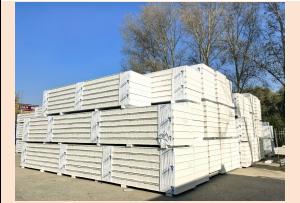
Understanding Cold Room Panel Insulation and Energy Efficiency
How Cold Room Panel Design Impacts Thermal Performance
Cold room panel design governs thermal efficiency by controlling heat transfer. Engineered joints reduce thermal bridging—the leading cause of energy loss—while continuous insulation ensures uniform temperature distribution. Panels with tongue-and-groove connections offer 15% better thermal retention than overlapping designs, according to refrigeration engineering standards.
R-Value and Thermal Resistance: Key Metrics for Cold Room Panel Efficiency
R-value measures a panel’s resistance to heat flow; higher values mean better insulation. Commercial cold rooms typically require R-30 to R-40 panels for optimal performance. Panels below R-25 force refrigeration systems to work 20% harder, increasing energy use and equipment wear.
The Link Between Insulation Quality and Long-Term Energy Costs
High-quality insulation delivers long-term savings: facilities using polyurethane-core cold room panels cut annual energy costs by up to 50%, as shown in U.S. Department of Energy case studies. Over 10 years, this saves approximately $120,000 per 10,000 sq. ft., far exceeding initial material expenses.
Comparing Core Insulation Materials: PU, PIR, and EPS Performance
Thermal Properties and Energy Efficiency of PU, PIR, and EPS Panels
Polyurethane stands out when it comes to keeping things cold, with a thermal conductivity rating around 0.022 W/m·K that works well down to those really low temps between -30°C and -40°C. PIR boards aren't far behind at about 0.023 W/m·K but they have one big advantage over PU materials their excellent fire resistance makes them a popular choice for storing pharmaceutical products where safety regulations are strict. Expanded polystyrene costs roughly 30 to 40 percent less than polyurethane which sounds great on paper until you realize EPS needs panels that are 20 to 25 percent thicker to provide similar insulation levels. This thickness requirement means EPS tends to be limited mostly to areas with milder weather conditions ranging from 0°C up to around +10°C.
| Material | Thermal Conductivity (W/m·K) | Cost per m² | Best Application |
|---|---|---|---|
| PU | 0.022 | $45–60 | -30°C to -40°C cold rooms |
| PIR | 0.023 | $50–65 | High-hygiene facilities |
| EPS | 0.034 | $30–40 | +10°C storage |
According to a 2024 insulation materials report, PU’s closed-cell structure reduces thermal bridging risks by 78% compared to EPS.
Long-Term Durability and Resistance to Material Degradation
PIR resists degradation over decades, even in humid conditions. PU maintains integrity at extreme temperatures, while EPS absorbs moisture, losing up to 15% insulation capacity after five years (ASHRAE 2022). PIR also withstands 200°C for 60 minutes without toxic emissions, meeting strict fire safety standards.
PU vs. PIR: Which Cold Room Panel Offers Superior Energy Savings?
PU provides slightly better energy efficiency, reducing annual cooling costs by 3–5% due to marginally lower thermal conductivity. However, PIR lowers insurance premiums by 12–18% in high-risk settings (Ponemon 2023). Hybrid PU/PIR panels combine 0.021 W/m·K conductivity with improved fire safety, delivering 30% faster ROI than EPS in balanced applications.
Optimizing Panel Thickness for Temperature Requirements and Space Efficiency
Selecting Cold Room Panel Thickness Based on Operational Temperature Ranges
Panel thickness must match operational temperatures. For chilling (0°C to 5°C), 80mm–100mm panels suffice. Frozen storage (-18°C) requires 120mm–150mm, while ultra-low applications (-40°C) need 200mm or more, as outlined in the 2022 Cold Chain Industry Report.
| Temperature Range | Recommended Thickness | Annual Energy Cost per m²* |
|---|---|---|
| 0°C to +5°C (Chillers) | 80mm–100mm | $34–$38 |
| -18°C (Freezers) | 120mm–150mm | $62–$68 |
| -40°C (Shock Freezers) | 200mm+ | $112–$125 |
| *Based on 2023 International Refrigeration Committee data |
Balancing Insulation Effectiveness With Storage Space Utilization
Thicker panels enhance insulation but reduce usable space—a 150mm panel occupies 18% more wall area than a 100mm alternative. High-value storage facilities often accept a 10–15% space reduction for greater thermal stability. Bulk warehouses may opt for thinner panels paired with advanced sealing to compensate for reduced insulation.
Case Study: Energy Savings From Optimized Cold Room Panel Thickness
A 2023 retrofit at a Norwegian distribution center replaced 100mm panels with 150mm versions in its -25°C storage zone. Monthly energy use dropped from 2,850 kWh to 2,195 kWh—a 23% reduction—while retaining 98.6% of storage capacity. The upgrade paid for itself in 26 months, with projected lifetime savings of $740,000.
Enhancing Durability Through Moisture Resistance and Structural Integrity
Performance of Cold Room Panels Under Extreme Temperature and Humidity
Cold room panels face harsh conditions with temperature swings over 50°F and humidity above 85%. PU-core panels outperform EPS alternatives, maintaining thermal stability 30% longer under extreme testing (2023 industry study). Moisture-resistant facings like galvanized steel or food-grade polymers prevent warping, while closed-cell foam inhibits condensation.
Preventing Moisture Ingress to Maintain Insulation Efficiency
Even minor water infiltration can degrade a panel’s R-value by 18% annually through thermal bridging and mold. High-performance butyl gaskets and tongue-and-groove joints reduce air leakage by 92% compared to standard designs. For critical environments, hydrophobic foam cores and vapor-barrier coatings block 99.7% of moisture penetration.
Lifecycle Cost Analysis: High-Quality Panels vs. Long-Term Savings
Cold room panels that resist moisture come with a higher price tag, about 20% more initially. But they actually pay off big time in the long run. These panels save around $2,100 every year for each 1,000 square feet of space when it comes to energy costs. Plus their service life goes well past 25 years which means fewer replacements down the road. Some recent studies from last year showed something interesting too. Galvanized facing options cut down on maintenance expenses by roughly 30% compared to regular painted ones over a decade period. And when we factor in all the money saved from not having equipment shut down for repairs, these tough panels give businesses back over four times what they spent originally in commercial refrigeration setups alone.
Achieving Maximum Energy Savings with Airtight Installation and Sealing
The role of airtightness in minimizing energy loss in cold rooms
Airtight installation prevents 30–40% of energy loss by stopping air infiltration, the main driver of thermal transfer (2024 Building Performance Study). Interlocking systems with continuous silicone sealants create seamless barriers, reducing refrigeration loads by up to 20% compared to conventional methods.
Gasket quality, joint design, and prevention of thermal bridging
EPDM gaskets remain flexible down to -50°C, ensuring lasting compression. Combined with tongue-and-groove joints, they minimize gaps and block thermal bridging—where heat bypasses insulation via metal fasteners or poor seals.
Field evidence: Impact of poor installation on cold room panel efficiency
A 2022 audit of 12 frozen storage sites found that installations with over 3mm of panel gap consumed 27% more energy than airtight ones. Corrective actions—replacing worn gaskets and resealing joints—cut average monthly energy costs by $1,800 per 1,000 ft², confirming that proper sealing directly improves operational efficiency.
FAQs
What is the R-value, and why is it important for cold room panels?
The R-value measures a panel's resistance to heat flow, with higher values indicating better insulation. It is crucial in determining a cold room's energy efficiency and performance.
Which material is best for extreme condition cold rooms?
Polyurethane (PU) panels offer superior thermal conductivity and are ideal for extremely low temperatures, while PIR panels add better fire resistance.
How do panel thickness and insulation effectiveness relate?
Thicker panels improve insulation but may reduce usable space. Selecting the right thickness based on temperature needs is essential for balancing cost and efficiency.
What causes energy loss in poorly installed cold room panels?
Poor installation creates gaps and air leaks, leading to significant energy loss and increased operational costs.
Table of Contents
- Understanding Cold Room Panel Insulation and Energy Efficiency
- Comparing Core Insulation Materials: PU, PIR, and EPS Performance
- Optimizing Panel Thickness for Temperature Requirements and Space Efficiency
- Enhancing Durability Through Moisture Resistance and Structural Integrity
- Achieving Maximum Energy Savings with Airtight Installation and Sealing