
 EN
EN
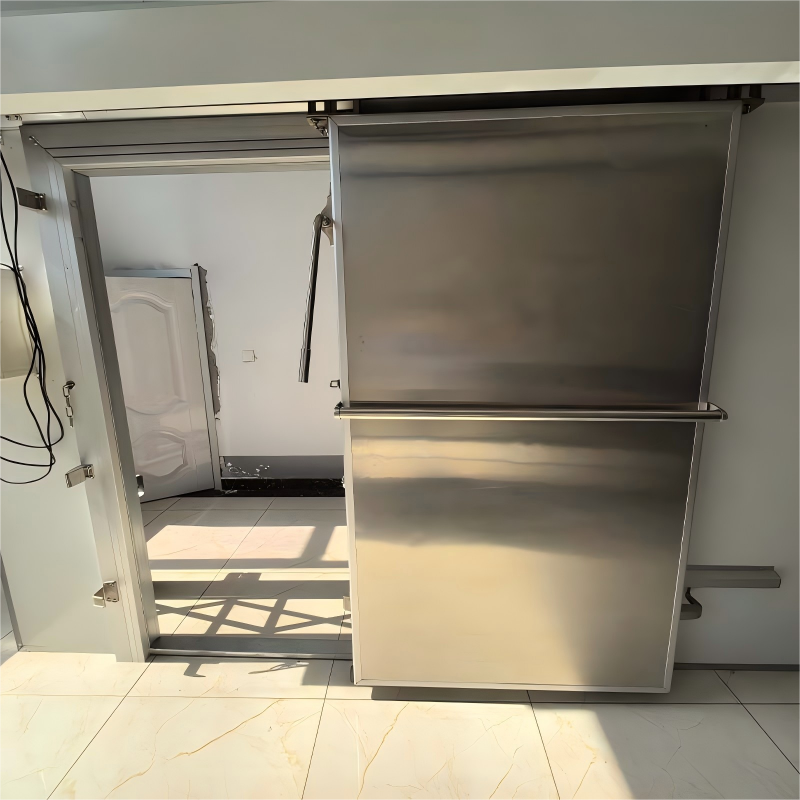
Why Cold Room Door Maintenance Is Critical for Temperature Integrity and System Longevity
The Role of Seals and Gaskets in Preventing Thermal Leakage
Seals and gaskets on cold room doors act as the main defense line against heat getting in. As these parts start to wear down over time, outside air slips through into the storage area, making refrigeration units run about 30 percent longer just to keep things at the right temperature. This extra workload means higher electricity bills and more maintenance headaches for facility managers. According to industry data, doors with bad seals can be responsible for around 15% of all wasted energy in cold storage facilities. Checking those rubber bulb seals regularly and making sure the gaskets sit properly in their tracks helps stop those tiny air leaks that eventually become big problems. Replacing seals when they begin to crack or get stiff instead of waiting until they fail completely keeps insulation working at its best level.
How Thermal Cycling and Mechanical Stress Accelerate Cold Room Door Degradation
The constant going back and forth between freezing temperatures and normal room temps really takes a toll on door materials over time. Metal hinges shrink when cold then swell again when warm, which eventually causes them to get out of alignment. Doors that open and close regularly put extra wear on their rollers and tracks too. Most experts would say around seven out of ten early door problems come down to this kind of repeated stress. To keep things running smoothly, it makes sense to lube all those moving parts every three months with grease that has the NSF H1 rating. After especially harsh temperature swings, taking a look at the door structure is also wise. With proper care, good quality doors can handle way more than half a million openings and closings before anyone needs to think about doing serious repairs or replacements.
Essential Routine Inspections for Key Cold Room Door Components
Visual and Functional Checks: Seals, Panels, Hardware, Photo Eyes, and Bottom Bar
Regular visual checks each week can stop small problems before they turn into expensive headaches down the road. Look closely at door seals for any signs of cracking, becoming brittle over time, or gaps wider than about three millimeters. These weak spots let in air and can actually boost energy bills by around thirty percent if left unchecked. Next, make sure panels are properly aligned and structurally sound. Keep an eye out for dents or rust forming around hinge areas. Don't forget to test all the hardware too. Check that latches snap shut smoothly and rollers move freely along their tracks without sticking. Those photo eyes we call safety sensors need testing as well. They should kick in right away whenever something blocks them during operation. And last but not least, take a good look at the bottom bar where ice tends to build up or where dirt and grime collect. This area plays a big role in maintaining proper insulation against heat loss.
Side Column and Bulb/Brush Seal Assessment and Replacement Criteria
Checking the side columns and those bulb and brush seals needs to happen every three months by someone who knows what they're doing. When testing brush seals, give them a gentle squeeze with your fingers. If any part just collapses easily, that means it's time for a new one. With bulb seals, look at how evenly they inflate. If there's more than a 15% difference between sections, watch out because failure is probably coming soon. For the side columns themselves, take note of any cracks that run longer than about an inch and a half, or spots where rust has started eating away at the metal structure. Generally speaking, we need to replace these components if compression tests show less than 80% bounce back after pressing down, or when thermal scans pick up temperature differences greater than 4 degrees Fahrenheit between different parts of the sealed area.
Cleaning, Lubrication, and Calibration Best Practices for Cold Room Doors
Safe Cleaning Protocols and Lubricant Selection for Tracks, Rollers, and Hinges
Keeping cold room doors working properly requires regular maintenance. Clean those stainless steel tracks at least once a month with something pH neutral to stop them from rusting or corroding over time. Before putting any lubricant on parts, make sure they're free of grease first so we don't trap dirt inside. When temperatures drop below freezing, go for silicone based lubes instead of petroleum products. Studies in refrigeration engineering show these silicones stand up to cold weather conditions about 68 percent better than traditional options. Just remember to use only what's needed when applying lubricant, too much can cause problems down the road.
- Vertical tracks to ensure smooth roller movement
- Hinge pivot points to prevent metal fatigue
- Locking mechanisms to maintain positive engagement
Remove all excess lubricant after application–residue attracts dust that abrades seals over time. Never use water-based cleaners below freezing points where ice accumulation causes mechanical binding.
Avoiding Common Lubrication Mistakes That Compromise Cold Room Door Performance
Over-lubrication remains the leading cause of cold room door failures, responsible for 41% of hardware replacements in industrial refrigeration facilities. Excess lubricant migrates onto seal surfaces, degrading rubber flexibility and enabling thermal leakage. Additional critical errors include:
- Using all-purpose lubricants that solidify below –20°C
- Applying lubricants to already damaged components (accelerates wear)
- Ignoring manufacturer-recommended intervals (typically quarterly)
- Lubricating dirty tracks or rollers (creates abrasive slurry)
Conduct tactile inspections during lubrication: gritty movement indicates contamination requiring disassembly cleaning. Proper lubrication reduces mechanical stress by up to 75%, directly extending door lifespan.
Managing Ice, Frost, and Condensation to Protect Cold Room Door Functionality
When ice builds up or condensation forms inside cold rooms, it really messes with how doors operate because of all the mechanical problems and worn out seals. Ice sticking to tracks or thresholds makes doors harder to move and puts extra stress on motors. Meanwhile, constant moisture causes gaskets to break down faster and leads to rust spots appearing over time. Keeping humidity levels under 60% relative humidity helps stop these saturation issues where water keeps changing back and forth between ice and liquid form. Regular cleaning sessions should be scheduled for removing built-up ice, always using those soft plastic tools recommended by manufacturers so we don't scratch any delicate parts of the door mechanism. Pay special attention to the bottom seals and those little pivot points since that's usually where frost starts forming first. If condensation remains a problem despite regular maintenance, adding thermal breaks along door frames can make a big difference. These breaks interrupt the heat transfer paths that cause moisture to collect on surfaces when there are temperature differences between inside and outside areas.
Verifying Cold Room Door Performance Through Operational Testing and Staff Discipline
Performance Testing: Smooth Cycling, Seal Integrity, and Retention System Validation
Regular testing of cold room doors remains important to keep them working properly when temperatures fluctuate. Start with checking how smoothly the door opens and closes. Watch out for any delays or strange noises coming from rollers or tracks that might signal something's off track. Then check those seals around the edges. Try the old dollar bill trick: slide one between different parts of the door frame and see if it sticks when pulled away. Good grip means good insulation. Don't forget about those magnetic locks either. Test what happens during simulated power cuts to make sure they kick in automatically as intended. Keep records of all these monthly checks along with temperature readings over time. Facilities that do this kind of tracking tend to spot problems earlier. A recent study from FM Global back in 2023 found places keeping detailed maintenance records saw about a third fewer issues related to their refrigeration systems compared to those who didn't bother documenting anything at all.
Training Protocols to Prevent Human-Induced Damage (Propping, Slamming, Delayed Reporting)
Human factors cause 68% of premature door failures, according to cold chain operational analyses. Implement mandatory quarterly staff workshops covering:
- Propping hazards: Demonstrate how makeshift door props warp seals within 15 minutes of exposure to ambient air
- Controlled closing techniques: Use weighted training doors to teach force-limiting closing methods
- Damage reporting workflows: Simplify digital reporting systems with photo templates for documenting ice buildup or seal gaps
Reinforce protocols through gamified compliance tracking–facilities awarding “door guardian†certifications saw 41% faster incident reporting. Crucially, train teams to recognize subtle warning signs like condensation trails near hinges, which precede mechanical failure by 3–6 months.
FAQ
Why is maintaining cold room doors important?
Maintaining cold room doors is crucial to ensure temperature integrity and prolong the life of the refrigeration system. Proper maintenance prevents thermal leakage, reduces energy costs, and minimizes mechanical stress.
How often should cold room door components be inspected?
It's recommended to conduct weekly visual checks for minor issues and more detailed inspections every three months for components like seals and hardware to ensure everything is functioning properly and without deterioration.
What are the common mistakes made during cold room door lubrication?
Common lubrication mistakes include over-lubrication, using inappropriate lubricants that solidify in cold conditions, ignoring manufacturer-recommended intervals, and applying lubricants on dirty components.
Table of Contents
- Why Cold Room Door Maintenance Is Critical for Temperature Integrity and System Longevity
- Essential Routine Inspections for Key Cold Room Door Components
- Cleaning, Lubrication, and Calibration Best Practices for Cold Room Doors
- Managing Ice, Frost, and Condensation to Protect Cold Room Door Functionality
- Verifying Cold Room Door Performance Through Operational Testing and Staff Discipline
- FAQ