
 EN
EN
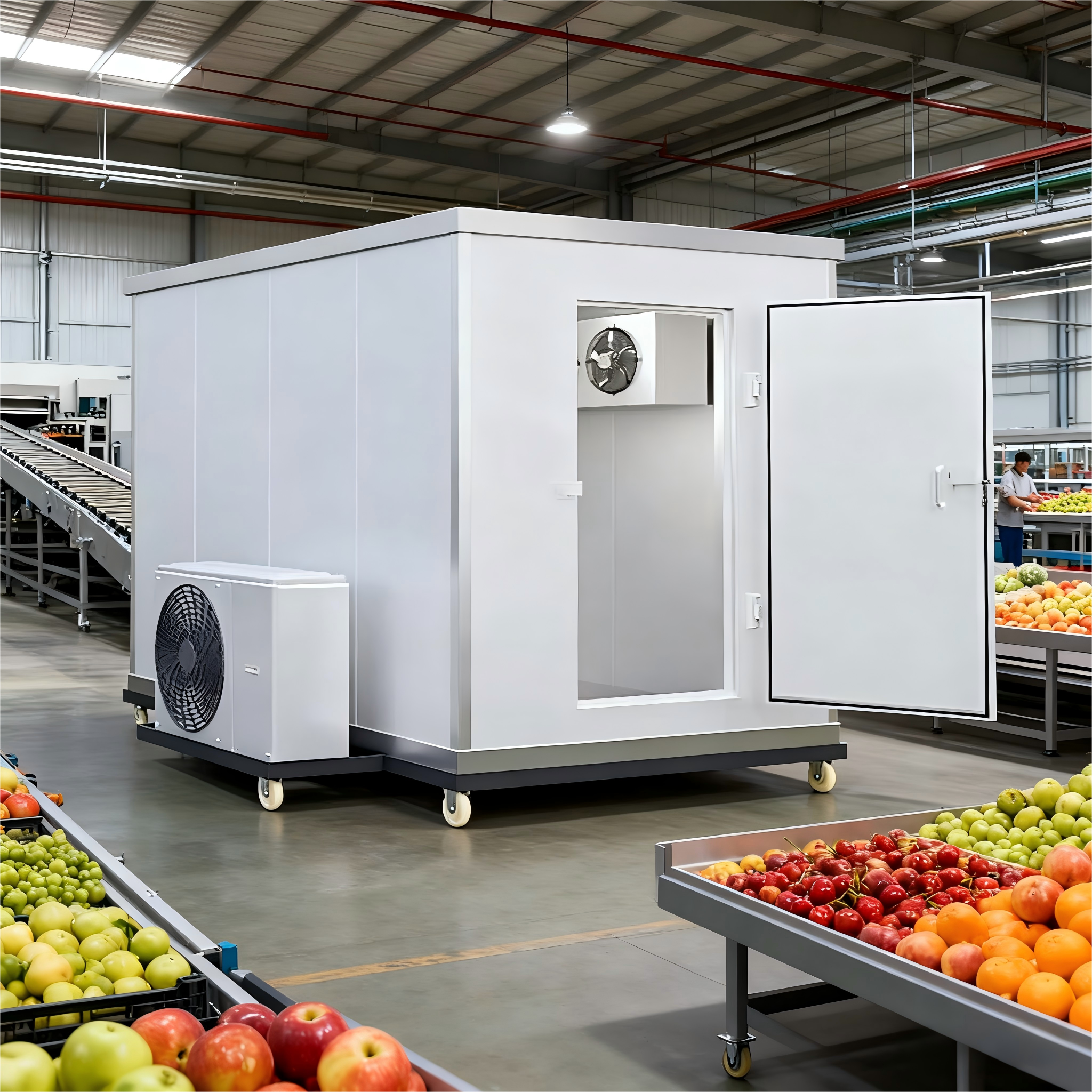
Unmatched Food Safety and Regulatory Compliance for Walk-in Freezers
Prevention of Cross-Contamination Through Zoned Storage
Walk in freezers help stop cross contamination because they allow for proper zoning when storing different types of food. Most have separate areas for things like raw meat, vegetables, and already cooked items. This physical separation cuts down on dangerous bacteria spreading between foods. Food safety checks actually show about an 89 percent drop in risk compared to those old style upright freezers that everyone just piles stuff into. Restaurants take this even further with colored bins and marked off aisles so nothing gets mixed up. The whole point is keeping allergens away from other foods and stopping bacteria from moving around whenever someone opens the door to grab something.
Meeting FDA, USDA, and HACCP Temperature Logging Requirements
Meeting FDA, USDA, and HACCP requirements means keeping accurate records of temperatures throughout the facility. Modern walk-in freezers come equipped with automatic logging systems that track temps every 15 minutes, which actually goes beyond what's required for manual checks while creating solid evidence for audits. When temperatures drift outside the important range of -10 to 0 degrees Fahrenheit (-23 to -18 Celsius), these systems send alerts to staff members so they can take action quickly. According to Operandio research from 2025, businesses that switch to digital monitoring see about 63 percent fewer problems during inspections. The reason? Digital systems automatically connect temperature data to the latest FDA rules and meet NSF/ANSI 7 standards without any extra work from employees.
Reduction in Pathogen Growth via Consistent Sub-0°F Storage
Keeping temperatures below freezing stops most microbes from multiplying, which cuts down on dangerous bacteria like Salmonella and E. coli by nearly 99.7% according to research published in the Journal of Food Protection last year. Modern walk-in freezers work better at spreading cold evenly throughout the space thanks to improved evaporator technology. This means there aren't those warm spots near 0 degrees where bad bacteria can still grow. The stable temperature also helps avoid those annoying ice crystal formations that happen when frozen food thaws and refreezes repeatedly. These melt-refreeze cycles really damage food quality over time. So besides just keeping things safe, maintaining these super cold conditions actually makes frozen products last longer in commercial settings without compromising their texture or taste.
Precision Temperature Control and Uniform Cold Distribution in Walk-in Freezers
Walk-in freezers excel in maintaining precise, stable temperatures across all storage zones—preventing spoilage and extending shelf life. Unlike other cold storage solutions, their design prioritizes consistent air circulation and minimal thermal variance.
How Advanced Evaporator Placement Eliminates Hot Spots
When evaporator coils are placed in just the right spots, they can really make a difference in how air moves around a space. This helps get rid of those annoying hot and cold spots that cheaper systems tend to have all over the place. The way these units work is pretty clever actually - they send out cold air from different directions throughout both walls and ceilings. This creates nice even circulation patterns that stop certain areas from getting too warm while others stay chilly. According to some thermal testing done on these setups, temperatures below freezing can be maintained with only about one degree variation either way. That kind of precision matters a lot when storing things as delicate as medical vaccines or high quality seafood products where even small fluctuations could spell disaster.
Data Insight: 92% Lower Temperature Fluctuation vs. Upright Freezers (ASHRAE 2023)
According to ASHRAE’s 2023 refrigeration report, walk-in freezer environments demonstrate 92% less thermal deviation than upright models—a direct contributor to reduced ice crystal formation and improved product integrity.
| Control Metric | Walk-in Freezers | Upright Freezers |
|---|---|---|
| Average temp fluctuation | ±0.5°F | ±6.2°F |
| Recovery time after door opening | < 8 minutes | > 22 minutes |
This stability stems from optimized compressor cycles and high-efficiency door seals. Facilities leveraging these advantages report 17% less product shrinkage from freeze-thaw damage—validating operational reliability for commercial kitchens and pharmaceutical storage alike.
Scalable Storage Capacity and Operational Organization with Walk-in Freezers
High-Volume Configurations: 12–40 ft² per Pallet for Efficient Space Utilization
Walk in freezers really pack things in tight because of how they're laid out, usually giving each pallet spot between 12 and 40 square feet. That beats what upright freezers can do hands down. When companies arrange their pallets properly in these walk ins, they end up using every inch of space without leaving empty spots or dead zones where nothing fits. Take a restaurant that keeps lots of fresh veggies on hand for instance. They could actually fit about 25 percent more stuff in the same area compared to regular old cold storage setups. Plus, these freezers grow with business needs too. Restaurants need extra drinks during hot weather months and plenty of frozen birds come December time. The layout can be adjusted season after season so whatever needs storing gets stored efficiently no matter what's happening outside.
Modular Shelving and FIFO-Optimized Racking Systems
Modular shelving units that can be rearranged on the fly really boost operational efficiency when dealing with all sorts of products, whether it's those big boxes of frozen veggies or massive cuts of meat. The FIFO system works great too, making sure the oldest stuff gets picked first. We've seen spoilage drop around 18% based on USDA audits of cold chain operations. These storage solutions come with sliding rails and those gravity rollers that push items forward as they're taken out. No need for workers to manually rotate stock anymore. Plus, there are these important air gaps maintained between shelves so everything stays nice and cold below freezing point.
Energy Efficiency and Long-Term Cost Savings of Modern Walk-in Freezers
High-Performance Insulation (R-28 to R-32) Reduces Annual Energy Use by 27%
Freezers built with R-28 to R-32 insulation work wonders at keeping heat out, so they stay nice and cold inside while using about 27% less power each year than regular models. The thicker insulation acts as a barrier against those pesky cold air leaks we all hate. This means the compressor doesn't have to run as often, which translates to lower electric bills on the monthly statement. Best part? Food stays safe and at just the right temperature no matter how busy things get in the kitchen during rush hours or holiday seasons when everyone's pulling stuff out constantly.
Smart Features: Variable-Speed Compressors and Door Sensors Cut Idle Load
Today's modern units come equipped with variable speed compressors that can tweak their cooling output based on what's actually needed at any given moment. This means no more wasting electricity when usage is low. When paired with those motion sensing door detectors, the whole system becomes much smarter about managing energy. The sensors will kick off an alarm if a door stays open too long, which happens all the time in busy environments and really eats into energy bills. Putting these two technologies together makes a big difference. Standby power consumption drops significantly, parts last longer since they're not working as hard, and companies end up spending less money on running costs month after month.
| Feature | Energy Impact | Operational Benefit |
|---|---|---|
| Variable-Speed Compressors | 40% less partial-load energy use | Prevents overcooling cycles |
| Door Alert Sensors | 18% reduction in idle runtime | Immediate leak detection |
FAQ
What is the benefit of zoned storage in walk-in freezers?
Zoned storage in walk-in freezers prevents cross-contamination by physically separating different types of food, reducing the spread of dangerous bacteria by up to 89%.
How do walk-in freezers meet FDA, USDA, and HACCP requirements?
Walk-in freezers meet these requirements by using automatic logging systems to track temperatures, which is more reliable than manual checks and creates compliance evidence for audits.
Why is precision temperature control important in walk-in freezers?
Precision temperature control is crucial in walk-in freezers because it prevents hot and cold spots, protecting temperature-sensitive items like vaccines or seafood from spoilage.
How do walk-in freezers improve energy efficiency?
Walk-in freezers improve energy efficiency through high-performance insulation which reduces energy use by 27%, and smart features like variable-speed compressors and door sensors which lower idle load.
Table of Contents
- Unmatched Food Safety and Regulatory Compliance for Walk-in Freezers
- Precision Temperature Control and Uniform Cold Distribution in Walk-in Freezers
- Scalable Storage Capacity and Operational Organization with Walk-in Freezers
- Energy Efficiency and Long-Term Cost Savings of Modern Walk-in Freezers
- FAQ