
 EN
EN
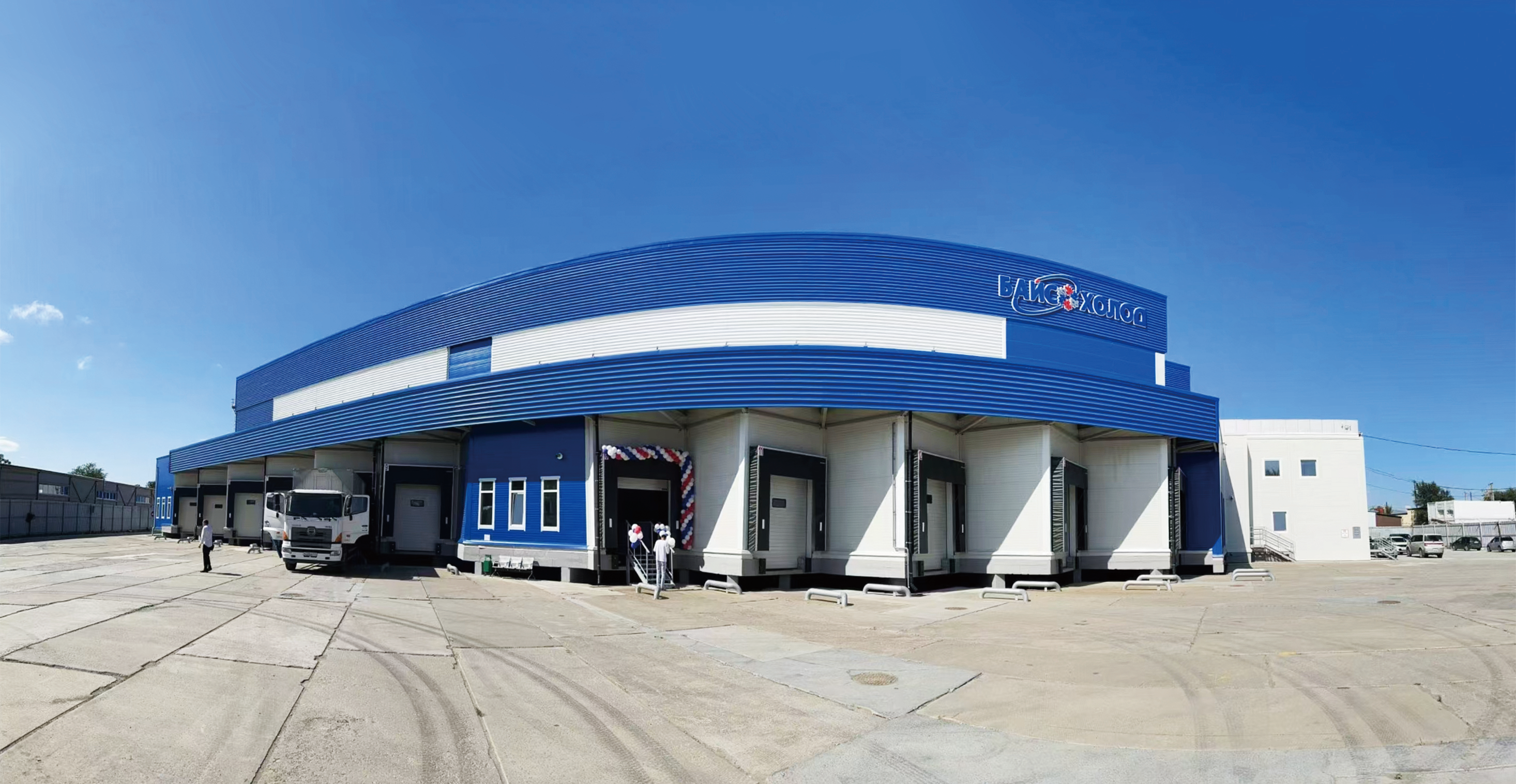
Energy Efficiency and Power-Saving Design
The Role of Insulation and Energy Efficiency in Reducing Operational Costs
Good insulation in cold storage rooms cuts down on energy usage by around 40% when compared to those without proper insulation. Most facilities rely on polyurethane foam panels these days since they offer thermal resistance ratings between R-35 and R-50 per inch. That makes them way better than the old fiberglass options that many still remember from decades ago. For smaller operations especially, making sure all the seams are properly sealed matters a lot. Even slight changes in temperature inside refrigerated spaces can spoil products before they reach customers, something no business owner wants to deal with during already tight profit margins.
How PUR Panels Maximize Thermal Resistance and Minimize Leakage
The closed cell structure of PUR panels really helps cut down on heat transfer compared to what we see with older materials, maybe even three times better in some tests. When these panels get installed, the foam actually expands outwards forming those tight seals between them. No more little cracks or spaces where warm air can escape and cold drafts sneak in. A lot of top companies have started putting vapor barriers right into their panel coatings lately. This seems to make a big difference too, cutting down problems from condensation inside walls by around half to two thirds after about five years according to field reports from installers across different climates.
Impact of Door Seals and Opening Frequency on Energy Consumption
Automatic door closers and magnetic seals reduce air exchange rates by 85% in high-traffic cold rooms. Facilities with more than 50 daily door openings lose 28% more cooling capacity than those with fewer than 20 accesses. Forced-air curtains help maintain temperature stability during brief entries, cutting compressor cycling by 19% and improving overall efficiency.
Trend Toward Smart Thermostats and Variable-Speed Compressors
Modern cold rooms use IoT sensors to adjust cooling based on real-time inventory levels. Variable-speed compressors achieve 30–50% energy savings over fixed-speed models by avoiding inefficient start-stop cycles. These smart systems also schedule defrost cycles during off-peak hours, significantly lowering energy costs when utility rates are highest.
Optimal Cooling Capacity for Small-Scale Operations
Matching Cooling Capacity to Daily Usage and Logistics
Getting the right size for cold storage is critical for small operations. When units are too big, they just burn through extra power without need. On the flip side, if the space isn't properly sized, it'll fight against itself when demand spikes. Take a standard 15 square meter area holding around 300 kilograms of stuff that needs refrigeration at 4 degrees Celsius. Most often this calls for somewhere between 1.5 and 2 tons of cooling power. But don't forget those adjustments either. Add about 15 percent more capacity for every time doors get opened each hour plus account for how humid the air tends to be locally. Think about what happens at a local bakery where workers grab chilled dough three separate times throughout their day. These places really benefit from having compressors that can ramp up speed during busy mornings. Want to know exactly what works best? Keep tabs on how much product moves in and out during peak hours across five regular business days before making any decisions about equipment sizing.
Maintaining Temperature Stability Amid Frequent Access
Opening doors in a standard 20 cubic meter cold room lets about 2.5 kilowatts worth of heat inside, which makes the compressors run roughly 18 percent extra hard according to the HVAC Association report from last year. When businesses install air curtains along with automatic closing mechanisms on those doors, they can cut down this energy waste by around 35%. Creating separate temperature zones within cold rooms also helps a lot. For instance, having one section at 2 degrees Celsius for preparation work and another at 7 degrees for storage minimizes contamination risks between different products while keeping sensitive items protected. Modern cold rooms now come equipped with sensors that notify staff when temperatures stay too high or low for over 90 seconds following door openings, giving workers time to correct issues before anything gets spoiled.
Efficient Condenser Types for Compact Cold Rooms
The microchannel condenser design boosts heat transfer efficiency by around 30% compared to those old fashioned tube and fin systems, which makes all the difference when working with small commercial spaces below 15 square meters. Take scroll compressors for instance they keep temperatures stable within half a degree Celsius throughout an entire eight hour shift period, and do so while consuming roughly 40% less power than their reciprocating counterparts. For businesses located in tight urban areas where fresh air circulation is a challenge, glycol cooled systems have become game changers since they completely remove the necessity for external condensing units. What's particularly handy about these systems is their modular nature. As stores expand their product range, the cooling capacity can easily grow from basic 3kW setups right up to robust 10kW installations without needing any major building alterations. This kind of flexibility saves both time and money during expansion phases.
Space-Saving and Modular Cold Room Designs
Maximizing Limited Spaces with Compact Cold Room Dimensions
Small businesses often struggle with limited square footage, so getting the most out of available space becomes a top priority. Newer cold storage solutions are designed with this challenge in mind, featuring tall stacking capabilities and smaller overall dimensions. Some models fit comfortably within just 6 feet by 8 feet areas yet still maintain proper temperature control. Manufacturers have figured out ways to eliminate unnecessary structural components and improve air circulation throughout the unit, resulting in around 20% better space usage than older designs according to recent industry research. These compact systems help reduce wasted walking space between shelves while keeping everything within easy reach. They work particularly well for local bakeries operating in tight city locations, specialty grocery stores with limited backroom space, and even emerging pharmaceutical companies needing controlled environments without huge refrigeration footprints.
Vertical Storage and Interior Flexibility for Higher Density
The adjustable shelves can hold between 150 to 250 pounds on each level when combined with those handy clip-on dividers, making it easy to rearrange everything as needed. According to people who actually work with these systems daily, they manage to fit around 35 to maybe even 40 percent more stuff inside their storage areas thanks to those sliding rack systems. These racks stretch out completely when restocking time comes around but then pull back in to free up valuable floor space again. And let's not forget about the ceiling height factor either. Modular storage units often reach up to ten feet high, which means businesses can stack things vertically without taking over precious ground space. This works particularly well for places like small cafes where kitchen space is limited, especially when dealing with lighter goods such as fresh herbs or ready-to-go meal packages.
Modular Units That Scale with Business Growth
Cold storage facilities built with modular panels let businesses expand rapidly since swapping out sections takes roughly ten minutes flat. Take a local coffee roastery growing from processing 200 pounds per week to handling 1,000 pounds weekly - they simply need to install additional 4 foot by 8 foot panels. The whole job gets done inside three working hours instead of waiting those agonizing 12 to 16 weeks required for conventional construction methods. According to recent market research across food processing sectors, companies switching to these modular setups typically see around a third reduction in their expansion expenses. Why? Because most parts get reused and installation requires far fewer resources compared to traditional approaches. Many small business owners we've spoken to report this flexibility makes all the difference when trying to keep pace with demand spikes during peak seasons.
Smart Controls and Digital Monitoring Systems
Digital Temperature Monitoring and Remote Alert Capabilities
IoT-enabled sensors provide real-time temperature tracking, sending SMS or email alerts when conditions deviate beyond ±1°C. This reduces spoilage risk by 83% compared to manual checks (Food Safety Magazine 2023). Mobile app access allows managers to monitor conditions remotely—especially valuable for operations with limited staffing or multiple locations.
User-Friendly Interfaces to Reduce Operational Errors
Touchscreen panels with color-coded indicators and guided troubleshooting menus minimize incorrect settings. Systems using pictogram-based controls reduce configuration errors by 62% among non-technical users (Cold Chain Tech Report 2024). Auto-diagnostic features proactively identify issues such as doors left open, preventing unnecessary energy loss before it impacts performance.
Balancing Automation with Simplicity for Small Teams
While AI-driven adjustments are available, small teams benefit most from one-touch presets like “eco” or “rapid-cool” modes. Modular control systems allow incremental upgrades—owners can start with cloud-based logbooks and adopt predictive maintenance tools later, aligning technology investments with growth and operational capacity.
Low Maintenance and Long-Term Cost-Effectiveness
Easy-Clean Surfaces and Mold-Resistant Construction
When building cold storage areas, using smooth surfaces like food grade stainless steel or special antimicrobial plastics can cut down on cleaning time by about a quarter each day according to recent studies from FSIS in 2023. These types of surfaces just don't let mold grow or bacteria stick around so easily, which matters a lot when dealing with things that spoil quickly. Another big plus comes from those rounded edges and joints that fit together without gaps. No more hiding spots for dirt means workers can clean everything properly in less than 15 minutes flat. This makes sense for any business looking to keep their products safe while saving valuable time during operations.
Modular Components for Faster Repairs and Reduced Downtime
With modular designs, companies can replace specific parts such as evaporator coils or door hinges without having to shut everything down for repairs. A major logistics firm actually saw their repair bills cut by around 35 to 40 percent once they started using these modular systems. Most problems got fixed within an hour or so instead of taking days. The real advantage comes from standardized components too. These make it much easier to keep track of what's in stock and eliminate those frustrating wait times when waiting on special ordered replacement parts that take forever to arrive.
Predictive Maintenance Technologies to Extend Equipment Life
IoT sensors monitor compressor vibration and refrigerant levels, issuing actionable alerts at least 72 hours before potential failures. This proactive approach extends equipment lifespan by 3–5 years and prevents energy waste caused by declining performance. Repairs can be scheduled during off-peak hours, minimizing disruption to daily operations.
Frequently Asked Questions
What is the main benefit of using PUR panels in cold storage rooms?
PUR panels significantly enhance thermal resistance and minimize leakage, improving efficiency and energy savings.
How do modular cold room designs benefit small businesses?
Modular designs allow easy expansion, quicker repairs, and reduced downtime, making them cost-effective for growing businesses.
What role do smart thermostats play in energy savings?
Smart thermostats adjust cooling levels based on real-time conditions, minimizing energy consumption and costs.
Why are automatic door closers important in cold storage facilities?
Automatic door closers reduce air exchange rates and improve energy efficiency by maintaining stable temperatures.