
 EN
EN
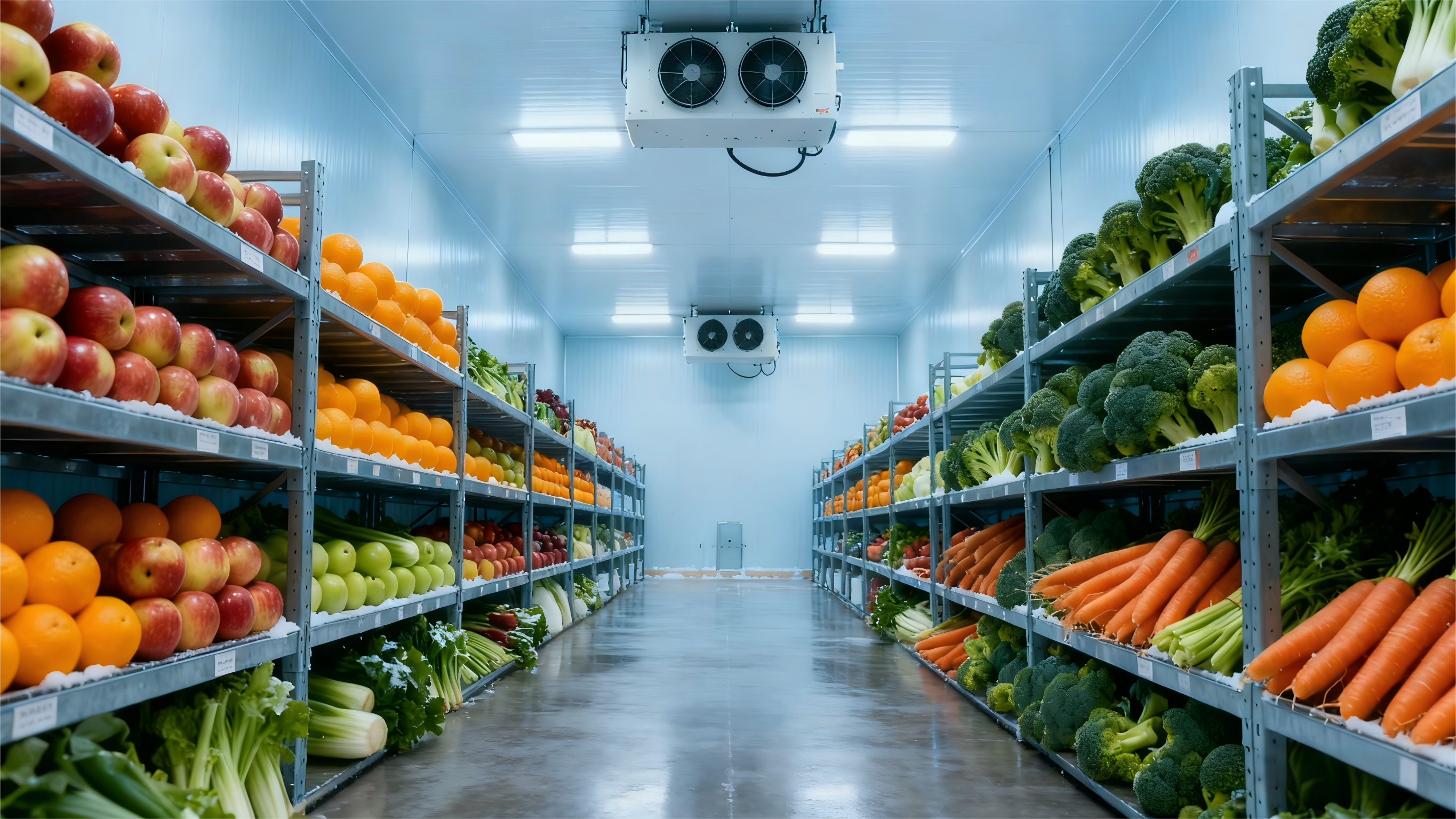
Key Benefits of Walk-In Freezers for Commercial Operations
Enhanced Food Safety Through Consistent Temperature Control
Walk-in freezers keep things nice and cold around -18 to -20 degrees Celsius, which stops most bacteria from multiplying in stuff like meat and dairy products that go bad fast. According to industry studies, keeping these temps steady cuts down on spoiled food by about 70-75% compared to older style cold storage rooms where temps would fluctuate all over the place. These modern freezers come equipped with smart monitoring tech that sends alerts if something goes wrong with the temperature. When this happens, staff gets notified right away so they can fix whatever's causing the problem before anything gets compromised. This helps businesses stay within those strict FDA and HACCP guidelines for food safety.
Energy Efficiency and Long-Term Cost Savings
Modern walk-in freezers feature variable-speed compressors and automated defrost cycles, reducing energy consumption by 30–40% compared to reach-in models. A 2023 energy performance study found businesses save $740 annually per 100 sq. ft. due to optimized insulation (R-28 to R-34 panels) and LED lighting.
Improved Process Efficiency with High-Capacity Cold Storage
With vertical racking systems and 8’–10’ ceilings, walk-in freezers offer 2–3 times more organized storage than standard units. Restaurants report 22% faster prep times thanks to centralized zones for bulk ingredients and pre-portioned items.
Scalability to Meet Growing Business Demands
Modular designs allow expansion of 200–500 sq. ft. in under 48 hours. Caterers facing seasonal demand spikes often increase capacity by 40% without replacing entire systems.
Balancing Initial Investment with Operational ROI
Commercial walk-in freezers require an upfront investment of $6,000–$25,000, but 87% of users achieve payback within three years through reduced waste and lower energy costs. Preventive maintenance plans ($600–$1,200/year) help extend equipment lifespan to 15–20 years.
Commercial Applications of Walk-In Freezers Across Industries
Supermarkets and Grocery Distribution Centers
Supermarkets rely on walk-in freezers to keep things cold between -18 and -20 degrees Celsius, which is essential for storing all those frozen treats and ready-to-eat meals alongside fresh seafood. Big grocery chains have really gotten smart about this stuff lately. They're using centralized freezer systems that handle thousands of different products at once, sometimes upwards of 10,000 different items. This setup helps cut down on wasted food significantly too. Some stores report spoilage dropping around 32% when they switch from individual freezers to these larger systems. The vertical racks inside aren't just for show either. They actually make it much easier to rotate stock properly, especially important for things that go bad fast. Most managers will tell you proper FIFO practices mean the difference between happy customers and lots of throwaway product at the end of each week.
Full-Service Restaurants and Catering Businesses
High-volume kitchens depend on walk-in freezers to store bulk proteins—up to 800–1,200 lbs in a single unit—supporting operations serving 500+ covers daily. Stable temperatures prevent repeated thaw cycles that degrade meat texture and seafood quality, directly enhancing kitchen consistency and customer satisfaction.
Breweries and Beverage Production Facilities
Craft breweries utilize walk-in freezers for lagering processes requiring precise 2°C–4°C conditions to stabilize yeast activity during fermentation. These units also store kegs and canned products, with industrial models accommodating 40+ barrels—enabling small-batch producers to scale distribution without compromising flavor integrity.
Sizing, Capacity Planning, and Space Optimization Strategies
Matching Walk-In Freezer Size to Operational Volume
Getting the right size for storage spaces means looking at what we need now plus making room for when things grow later on. Most small operations that deal with around 3,000 to maybe 5,000 pounds of perishable goods each week usually find they need about 200 to 300 square feet of space. But if someone is running a bigger operation, say storing over 15,000 pounds worth of stuff, then they probably need somewhere between 600 and 800 square feet. The good news is modular design solutions let companies expand their capacity bit by bit. Businesses can simply install those pre-made panels whenever demand starts picking up without spending too much money on extra cold storage that sits empty most of the time.
Maximizing Space with Vertical Shelving and Layout Design
Vertical storage solutions such as 96" galvanized steel racks and cantilever shelving boost storage density by 30–40% versus floor-stacked pallets. Height-adjustable systems improve accessibility, contributing to 22% faster inventory rotation. Hybrid layouts with 48" main aisles and 36" secondary pathways reduce door-open duration, minimizing energy loss during retrieval.
Designing for Workflow Efficiency and Easy Accessibility
In high-turnover kitchens, positioning high-demand items within 5' of the entrance reduces worker exposure to subzero temperatures. Curved corner shelves and slide-out bin systems lower product damage risks by 18% compared to static setups. Color-coded zone labeling aligns layout with delivery schedules, improving restocking speed by 15%.
Core Components and Construction Features of Walk-In Freezers
Insulated Panel Construction and R-Value Performance
Most walk-in freezers rely on polyurethane foam insulated panels to maintain those super cold temps down around -20 degrees Fahrenheit or even colder. The insulation in these panels can reach an impressive R value of about 32 according to ASHRAE standards from last year, thanks to their gas tight construction and uninterrupted layers of insulation material. Usually between four to six inches thick with galvanized steel on the outside, these panels stop something called thermal bridging which is basically when heat escapes through structural connections. Studies have found this design cuts down on energy losses by roughly 19 percent when compared against older fiberglass insulation systems commonly used before.
Refrigeration Systems and Energy-Efficient Compressor Technology
Variable-speed compressors adjust cooling output based on real-time demand, reducing energy use by up to 35% versus fixed-speed models. Scroll compressors with electronic expansion valves maintain ±2°F temperature stability and operate 50% quieter than piston-driven alternatives. Dual evaporator coils with aluminum fins optimize defrost cycles, especially in high-humidity environments.
Durable Doors, Seals, and Shelving for High-Use Environments
Stainless steel doors equipped with magnetic gaskets keep air infiltration below 0.5 changes per hour when they're shut tight, which actually saves businesses around $740 each year on energy costs that would otherwise be lost through poor seals. The epoxy coated wire shelving can handle quite a bit too since it's rated at 500 pounds per square foot for regular heavy duty loading situations. And those 12 gauge steel kick plates really do make a difference in protecting wall surfaces against accidental damage from pallet jacks during daily operations. Plus automatic door closers combined with LED lights that turn on only when someone moves nearby significantly boost safety levels in hectic commercial kitchen environments where staff members are constantly coming and going.
Maintenance Best Practices and Common Performance Challenges
Preventing Temperature Fluctuations and Frost Build-Up
Keeping things running between -10 and 0 degrees Fahrenheit matters a lot when it comes to keeping food safe. A mere 5 degree shift upwards can boost bacteria growth risks by as much as three times over normal levels. Good quality insulated door seals help keep those precious cold air molecules inside where they belong, while regularly defrosting coils stops ice from building up and putting extra strain on compressors. Restaurants and warehouses that switch to automatic temperature monitoring typically waste about 18 percent less energy dealing with frost problems than places still relying on old fashioned manual inspections.
Managing Defrost Cycles and Air Circulation Issues
Poorly timed defrost cycles cause damaging temperature swings. Following manufacturer-recommended schedules helps maintain consistent performance. Strategically placed evaporator fans eliminate dead zones, and airflow mapping reduces hot spots by 40% in high-usage units.
Avoiding Contamination Risks from Gasket Leaks and Poor Maintenance
Cracked seals introduce humidity, accelerating frost formation and microbial growth. Quarterly inspections combined with NSF-approved sanitizers reduce contamination risks by 65%. Facilities using predictive maintenance protocols experience 32% fewer sanitation-related shutdowns.
Routine Cleaning, Coil Maintenance, and System Monitoring
Biweekly coil cleaning maintains heat transfer efficiency; neglected coils can increase energy consumption by 25% annually. Digital temperature logs and pressure sensors enable early detection of refrigerant leaks, while infrared scans identify insulation gaps. Monthly condenser clearance checks prevent airflow blockages, extending compressor life by 3–5 years in commercial settings.
FAQ
What is the optimal temperature for walk-in freezers?
The optimal temperature range for walk-in freezers is between -18 to -20 degrees Celsius to effectively prevent bacterial growth in perishable goods.
How do walk-in freezers enhance energy efficiency?
Walk-in freezers enhance energy efficiency through the use of variable-speed compressors and automated defrost cycles, which can reduce energy consumption by 30-40% compared to traditional models.
Can walk-in freezers be customized?
Yes, walk-in freezers can be customized with modular designs, allowing for expansion of 200-500 sq. ft. within 48 hours to meet growing business demands.
What materials are used for insulation in walk-in freezers?
Polyurethane foam insulated panels and galvanized steel are commonly used to maintain extreme cold temperatures and prevent thermal bridging.
How often should maintenance checks be performed?
Quarterly inspections and biweekly coil cleaning are recommended to ensure efficient operation and to minimize risks associated with temperature fluctuations and contamination.
Table of Contents
- Key Benefits of Walk-In Freezers for Commercial Operations
- Commercial Applications of Walk-In Freezers Across Industries
- Sizing, Capacity Planning, and Space Optimization Strategies
- Core Components and Construction Features of Walk-In Freezers
- Maintenance Best Practices and Common Performance Challenges
- FAQ